Exhibition details
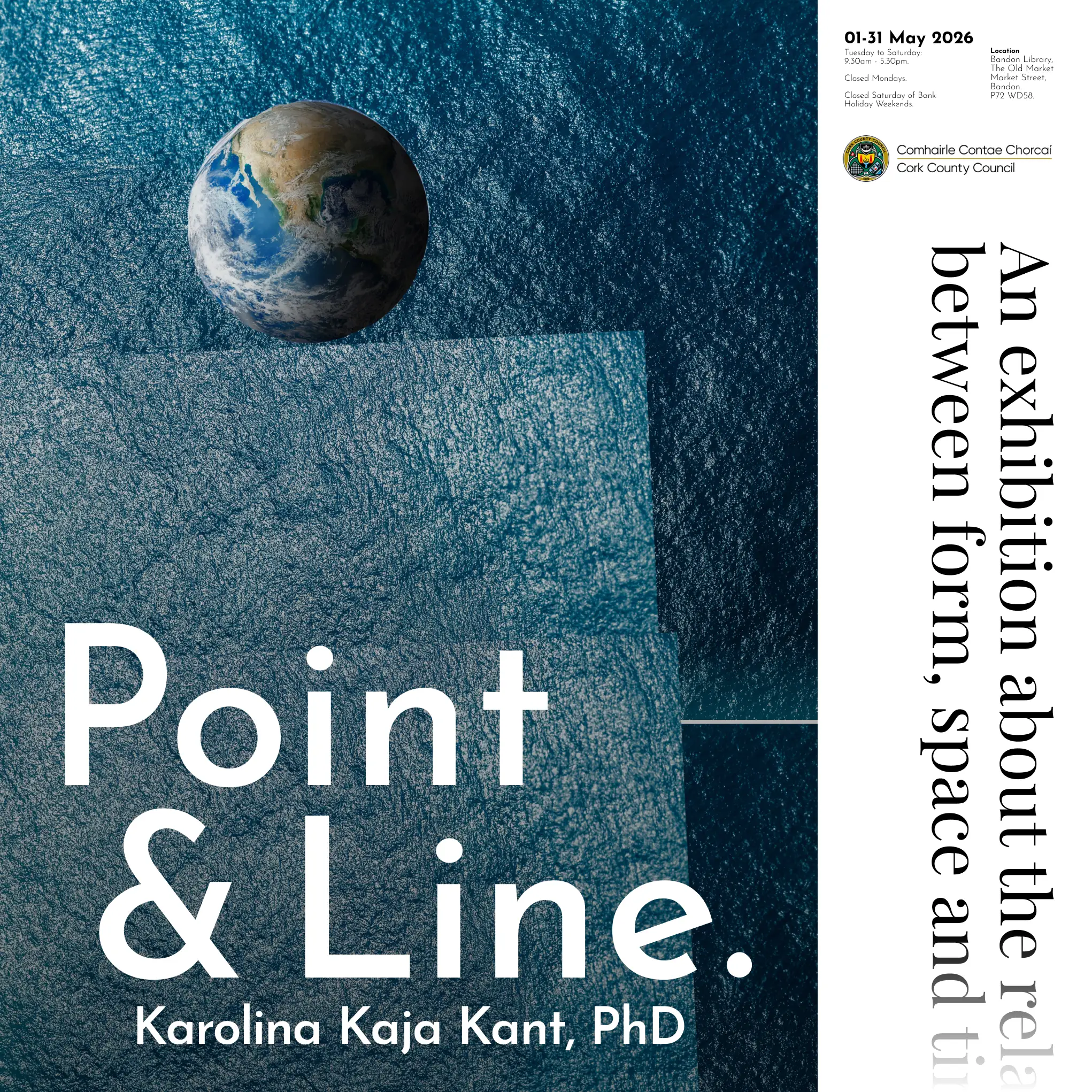
Location:
Bandon Library,
The Old Market,
Market Street,
Bandon
P72 WD58
Tuesday to Saturday:
9.30am – 5.30pm.
Closed Mondays.
Closed Saturday of Bank Holiday Weekends.
Exhibition opening
23.02.2026 @ 5.30 pm
Exhibition opening time
23.02.2026 – 30.05.2026
Location:
Zamek Golubski
ul. PTTK 13, 87-400
Golub-Dobrzyń
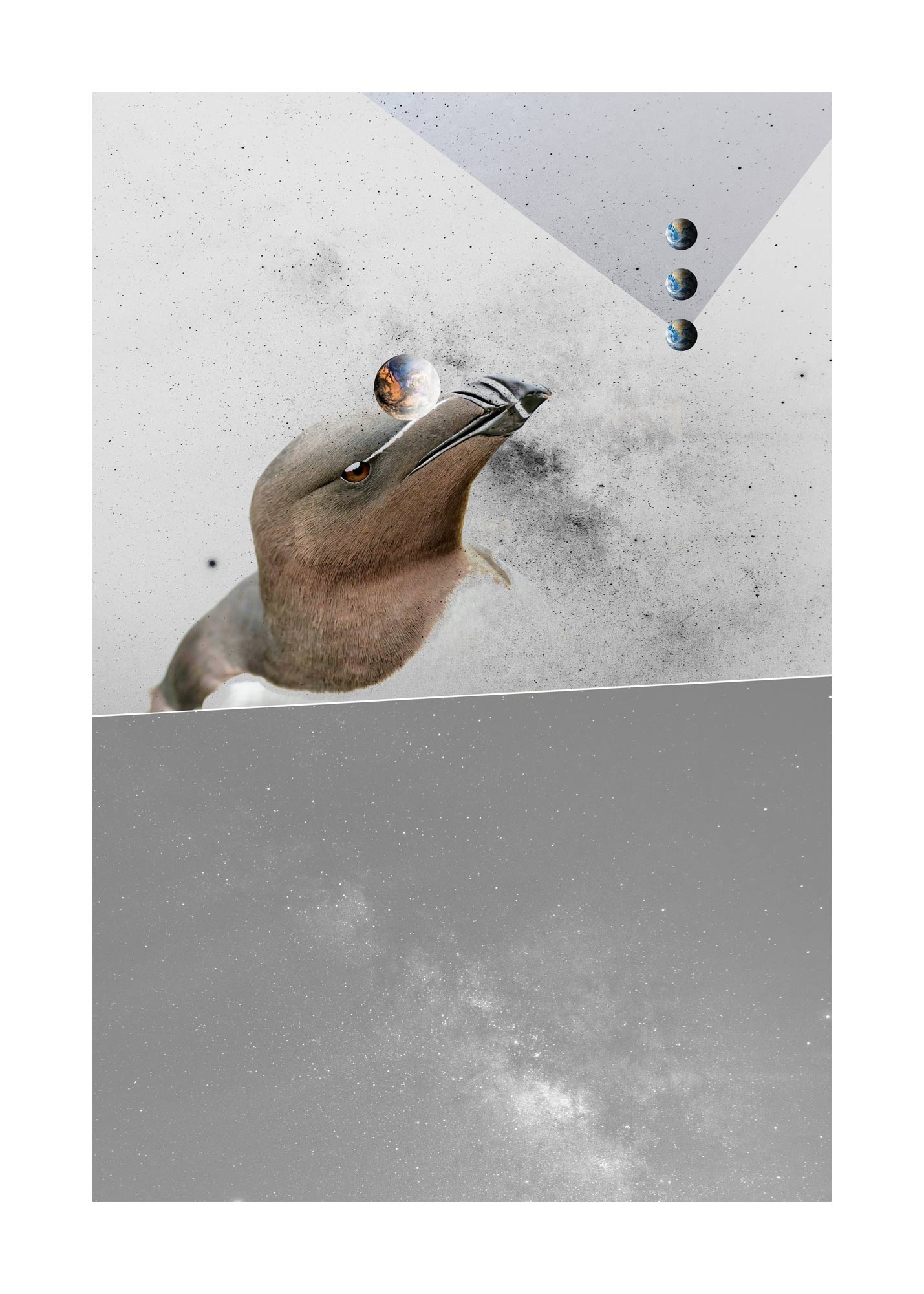
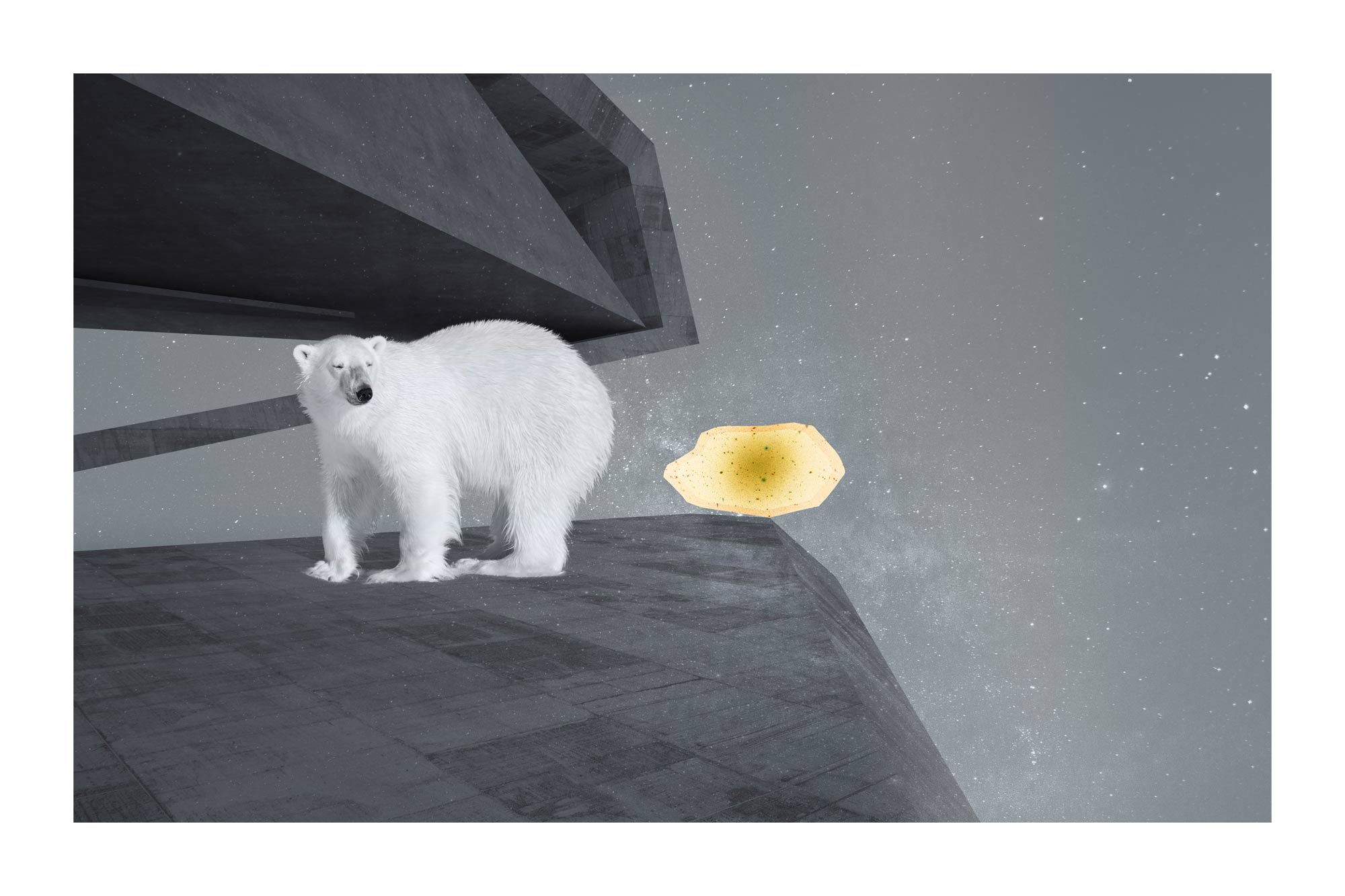
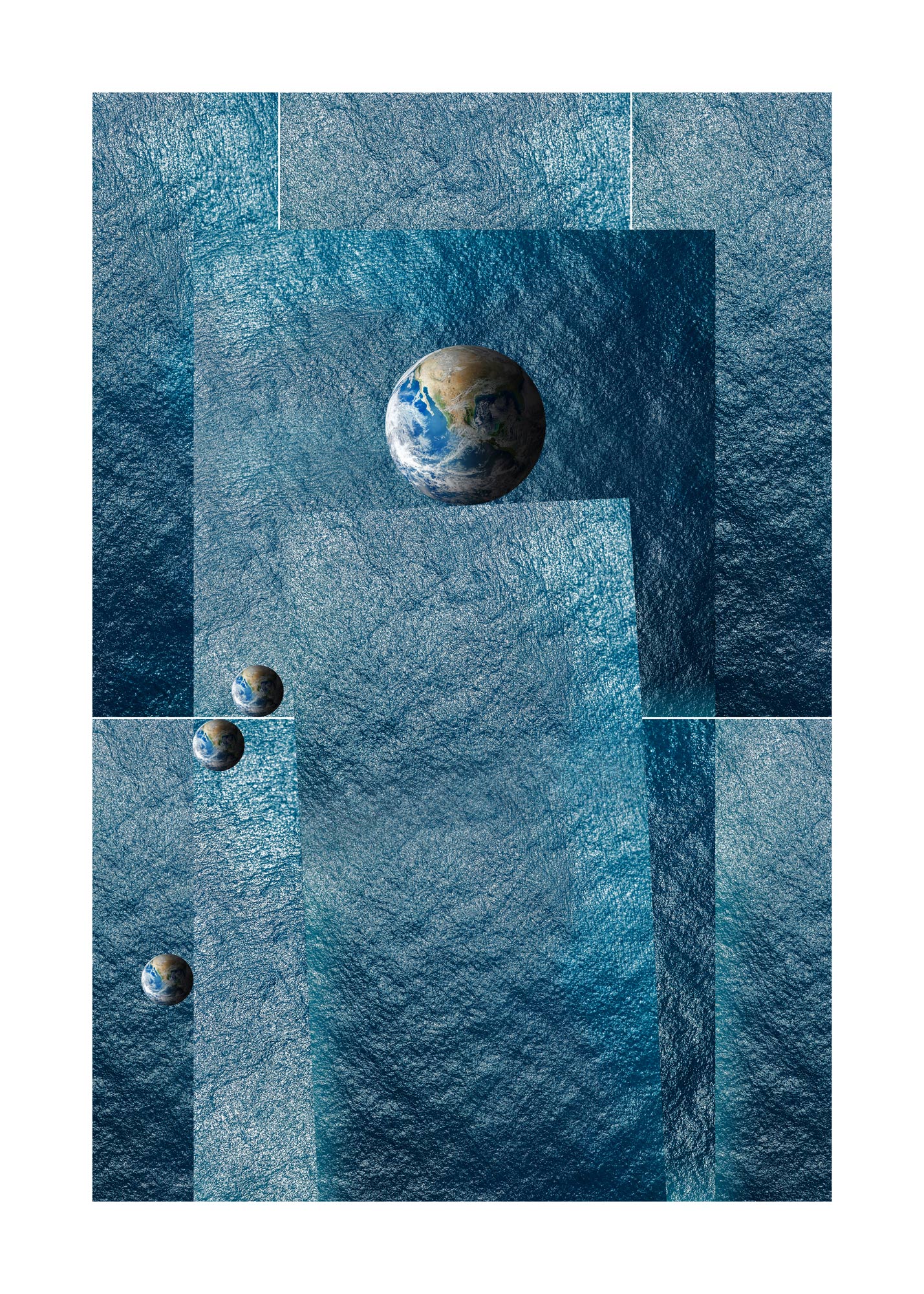
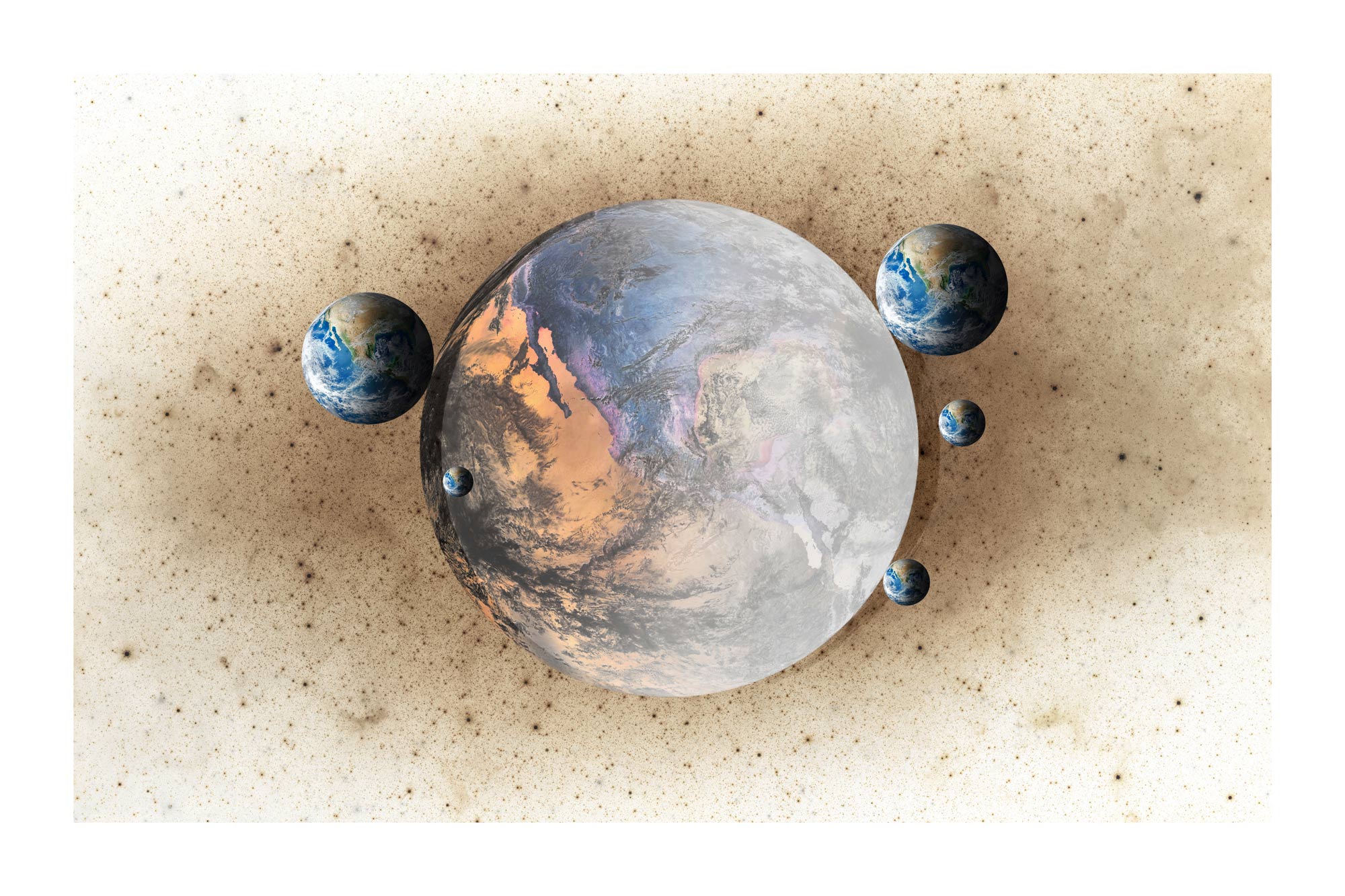
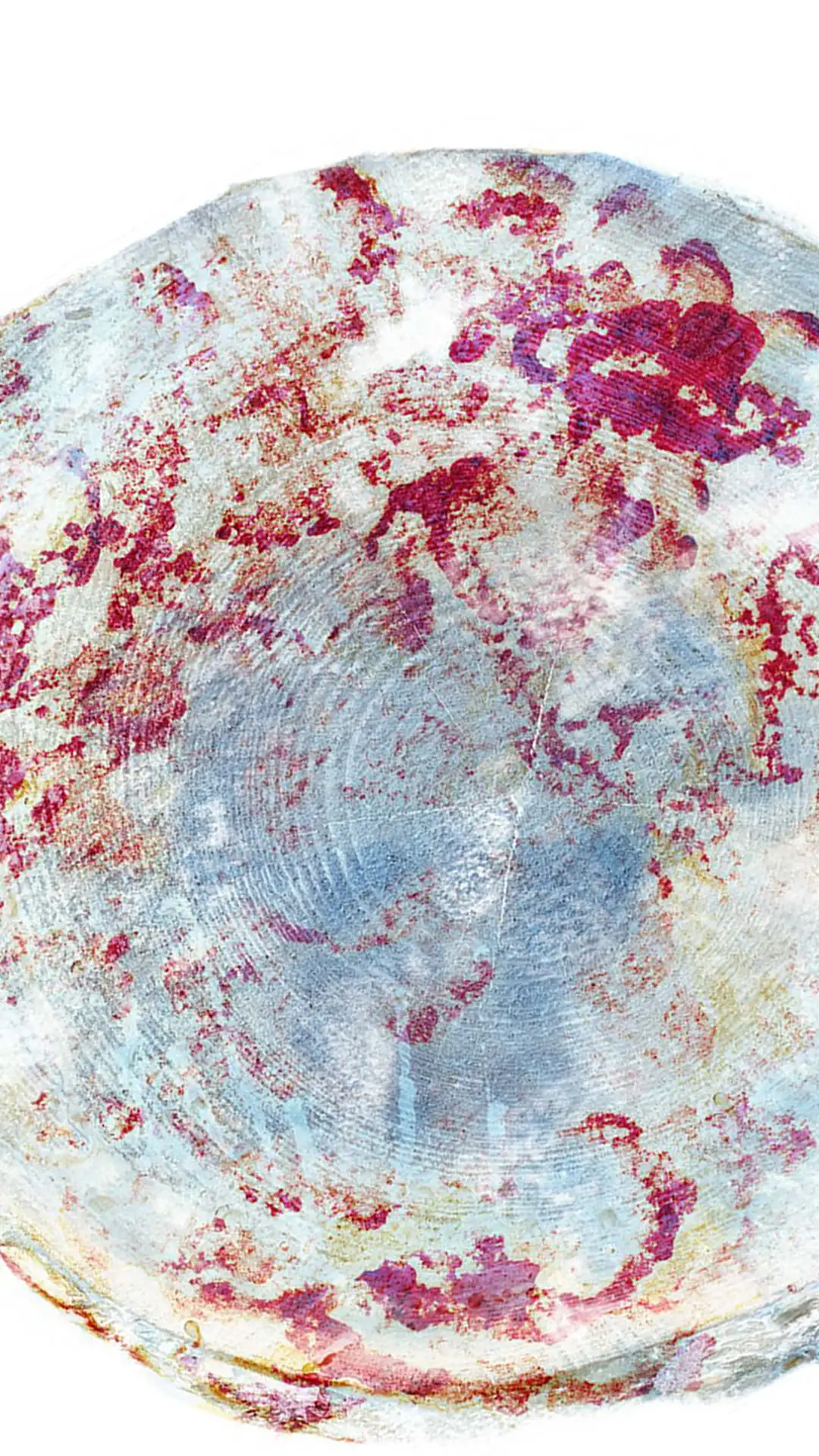
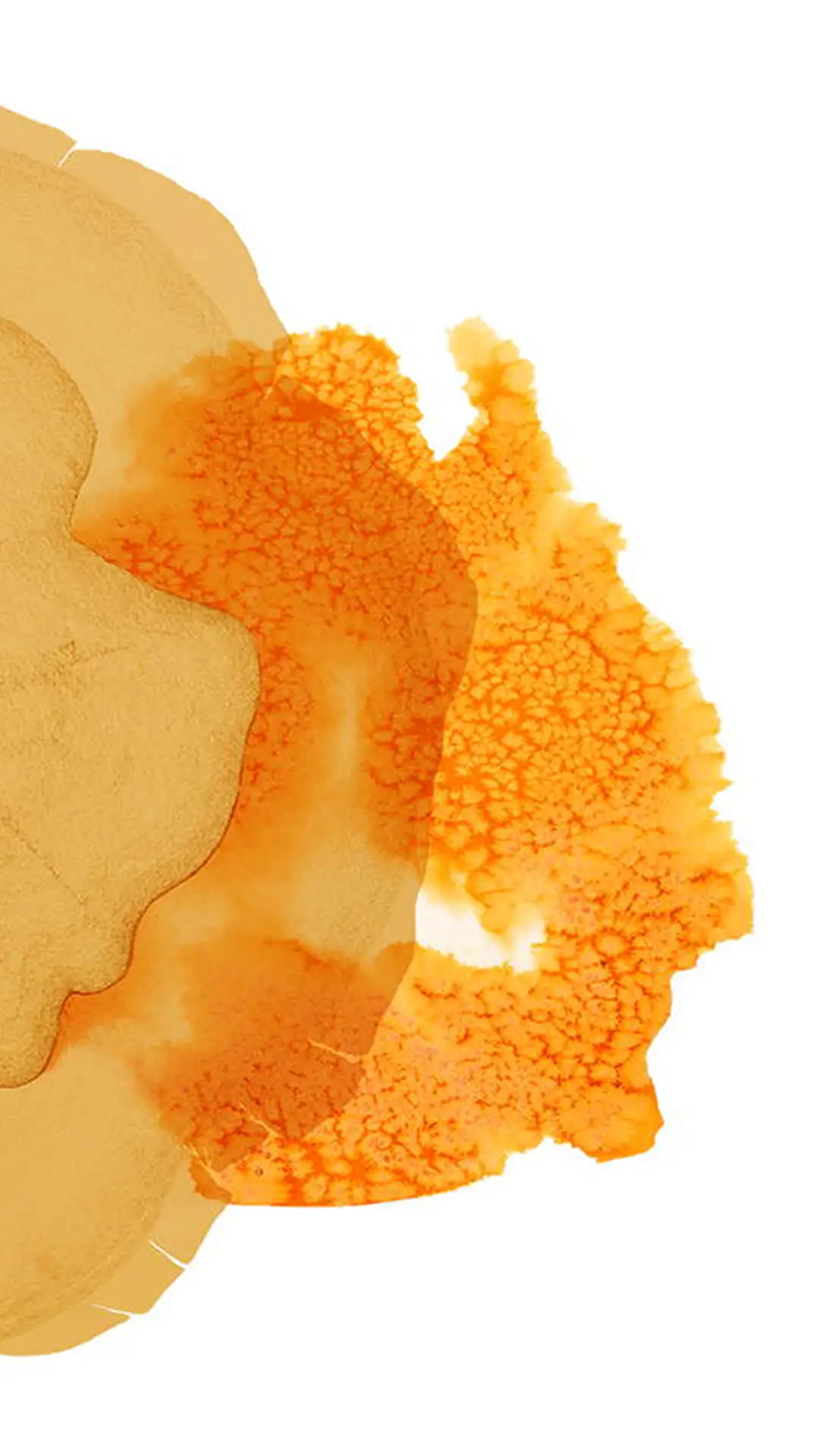
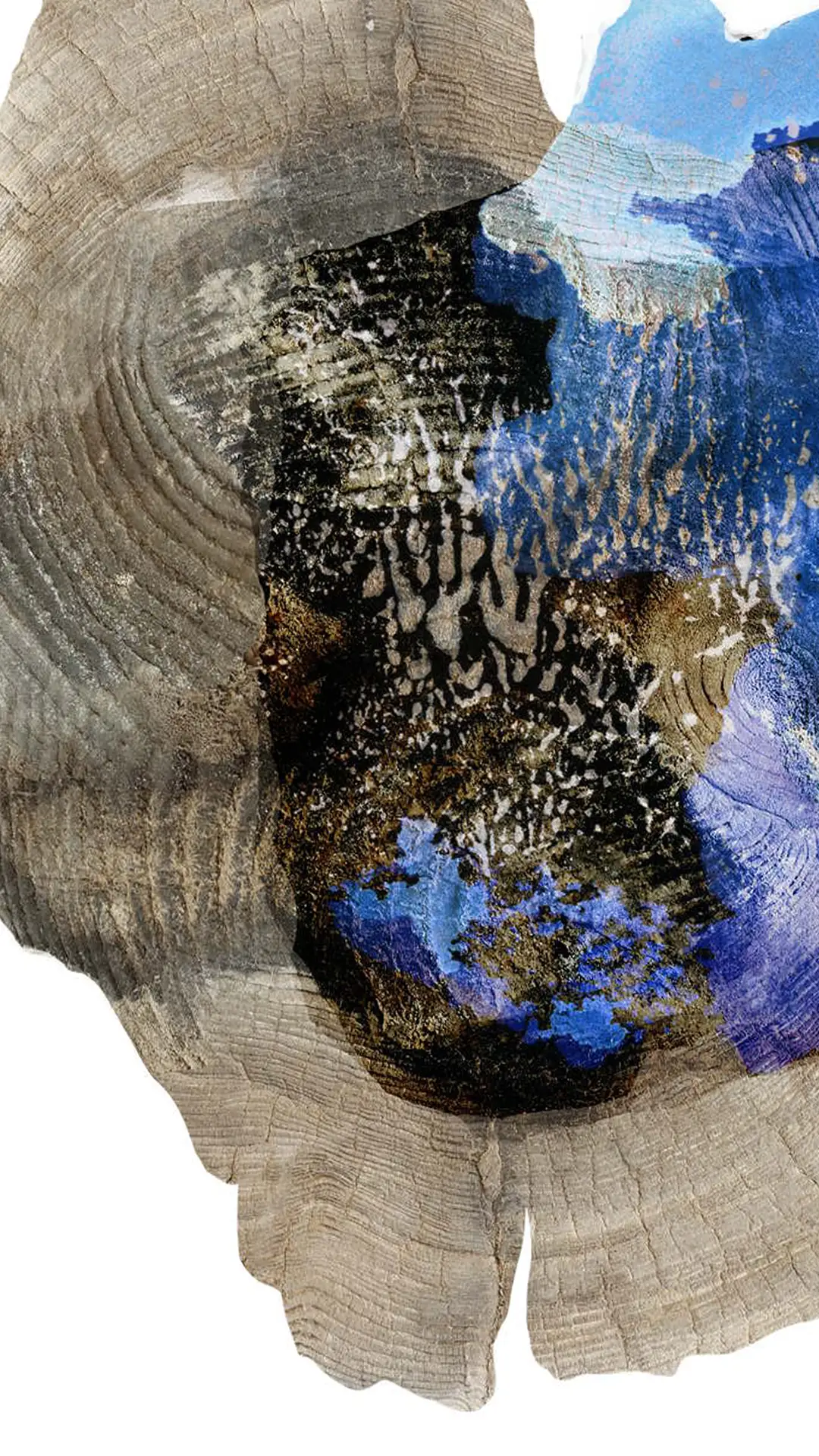
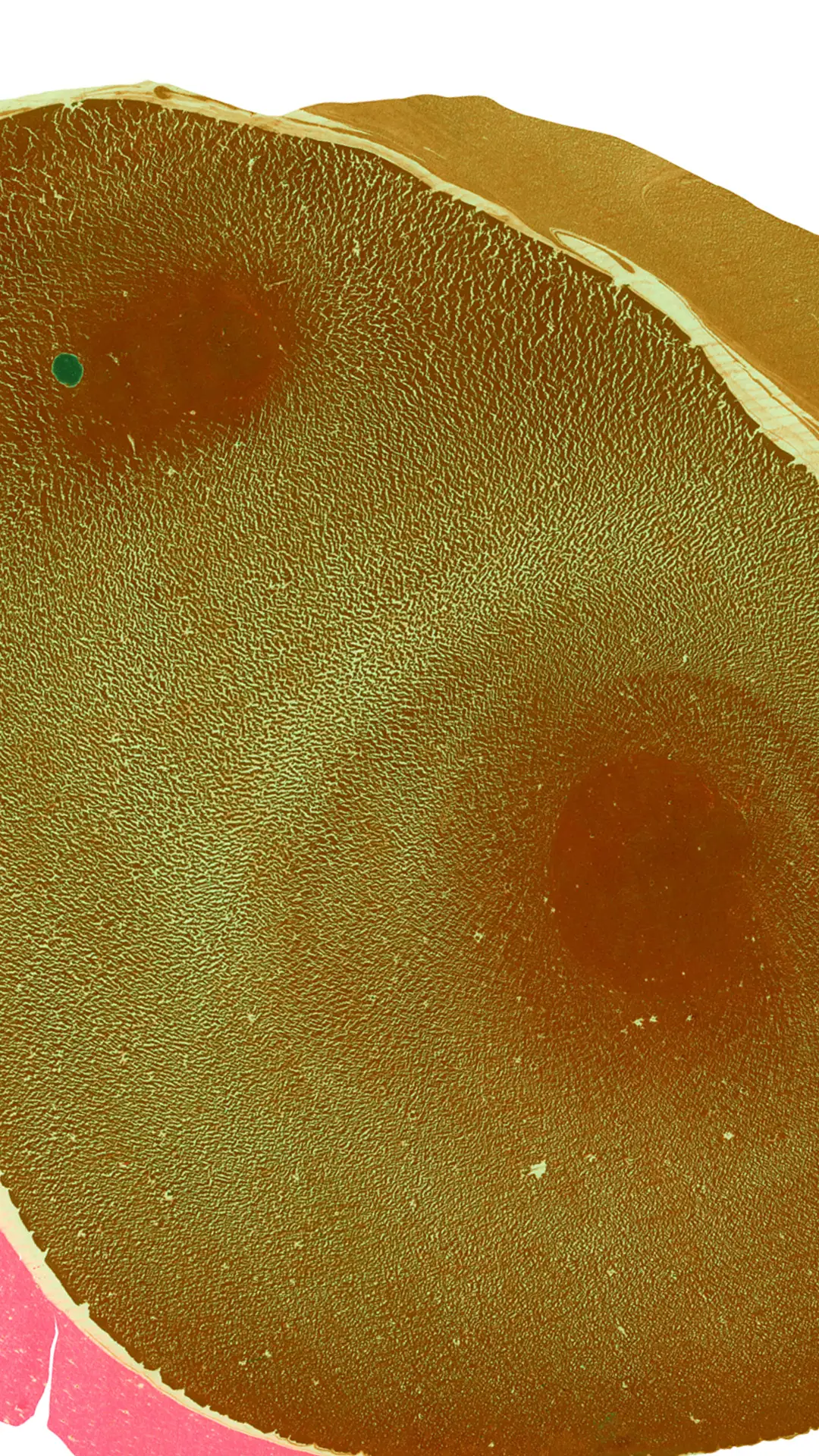
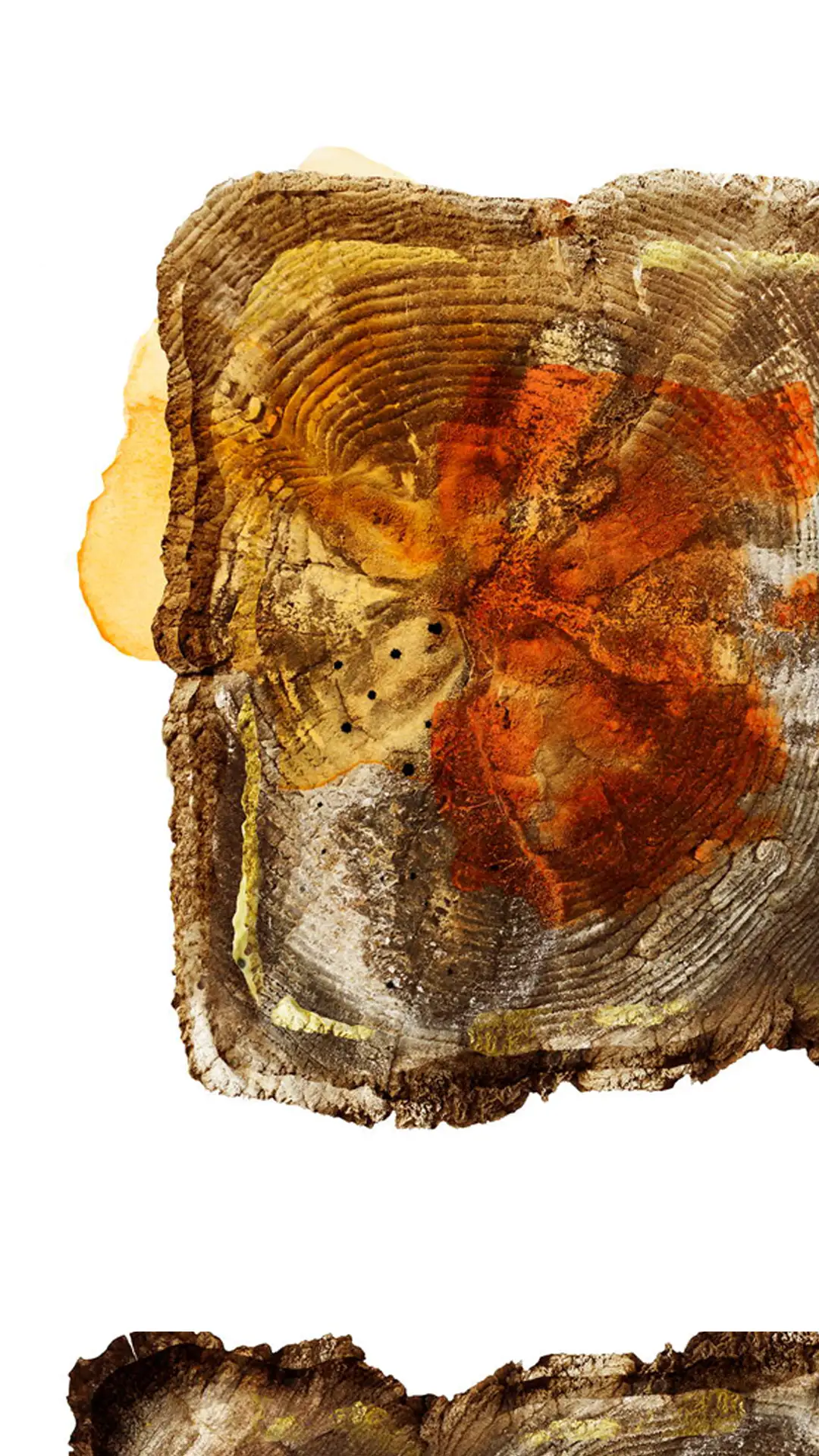
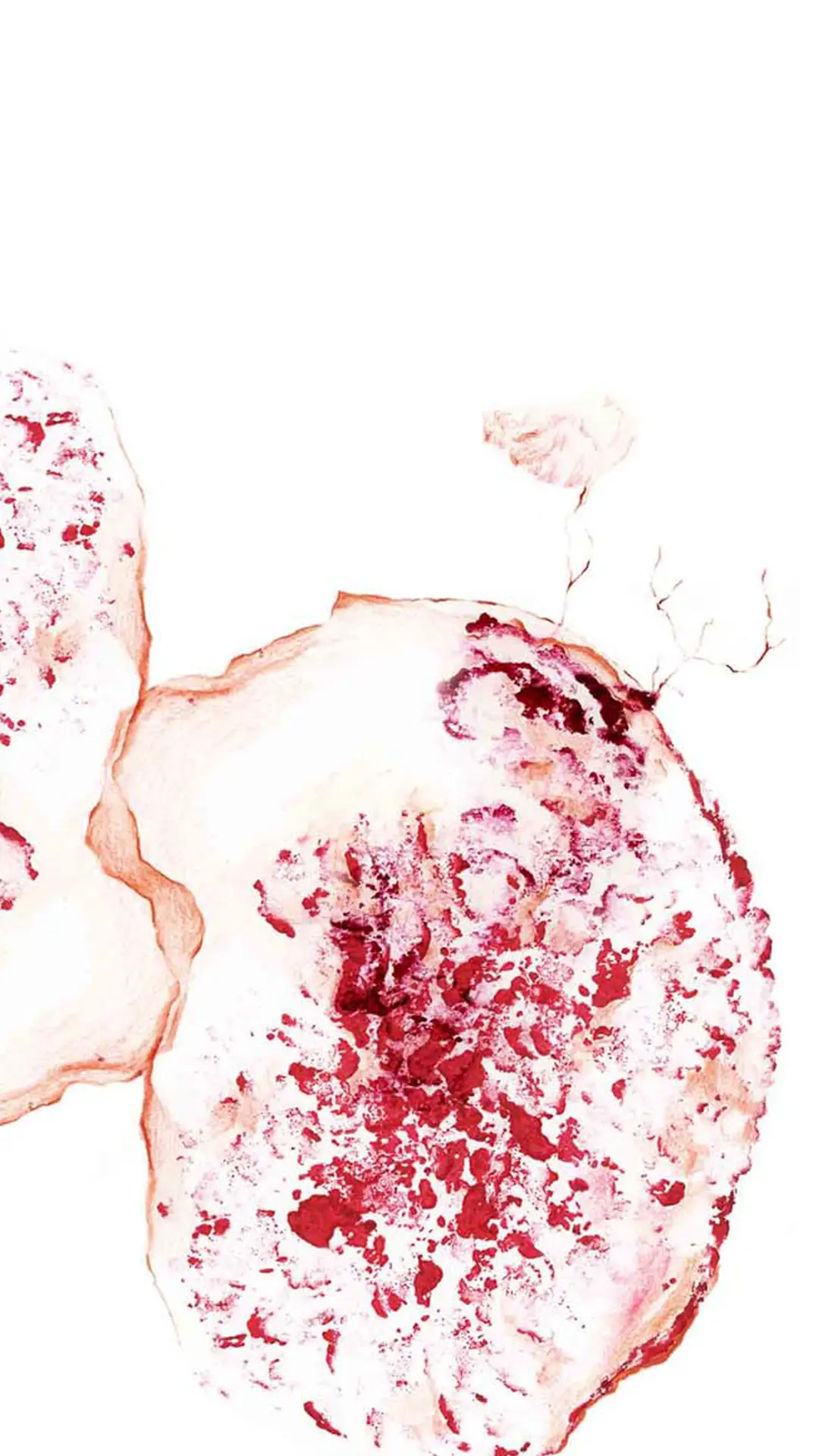
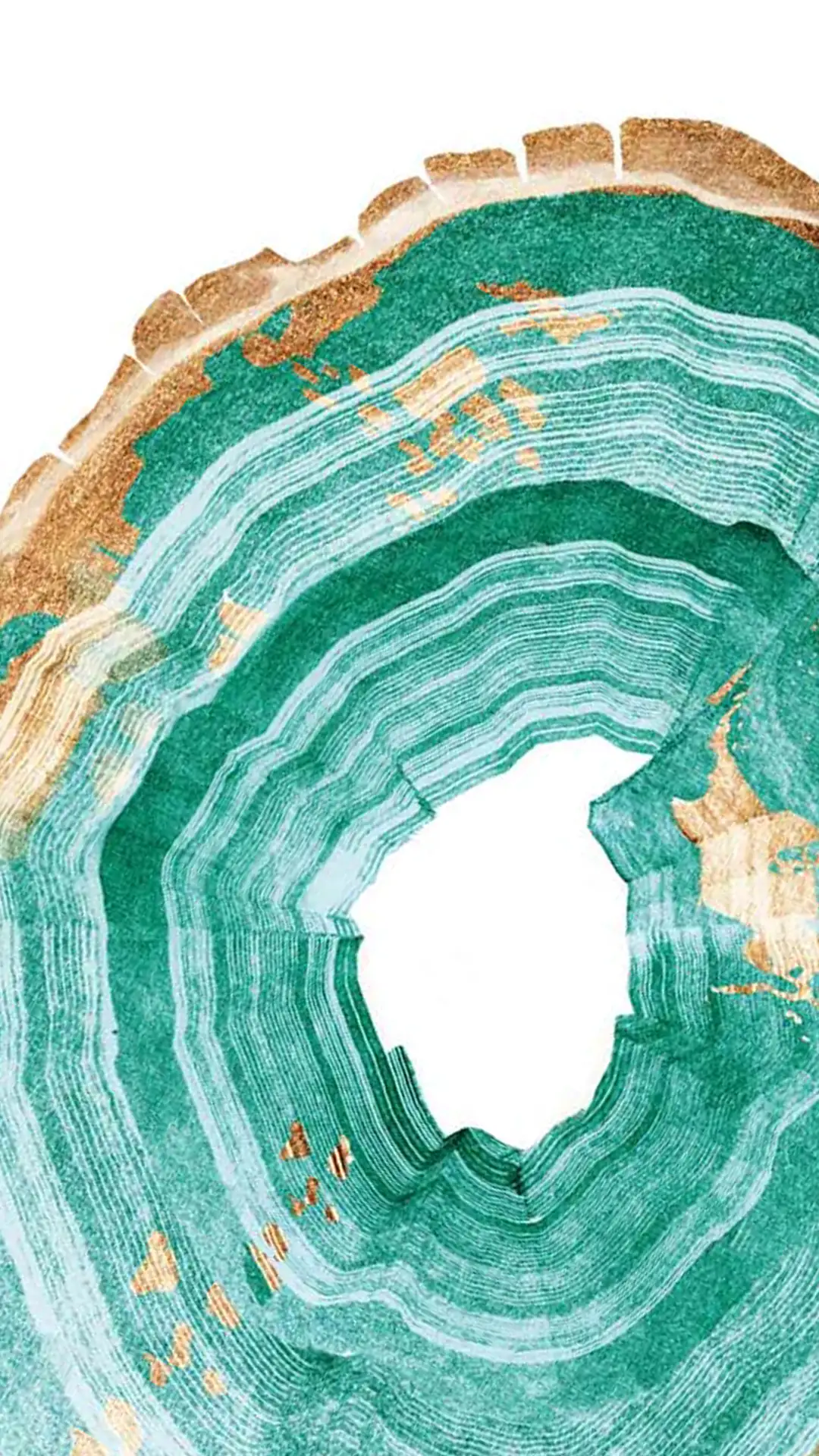
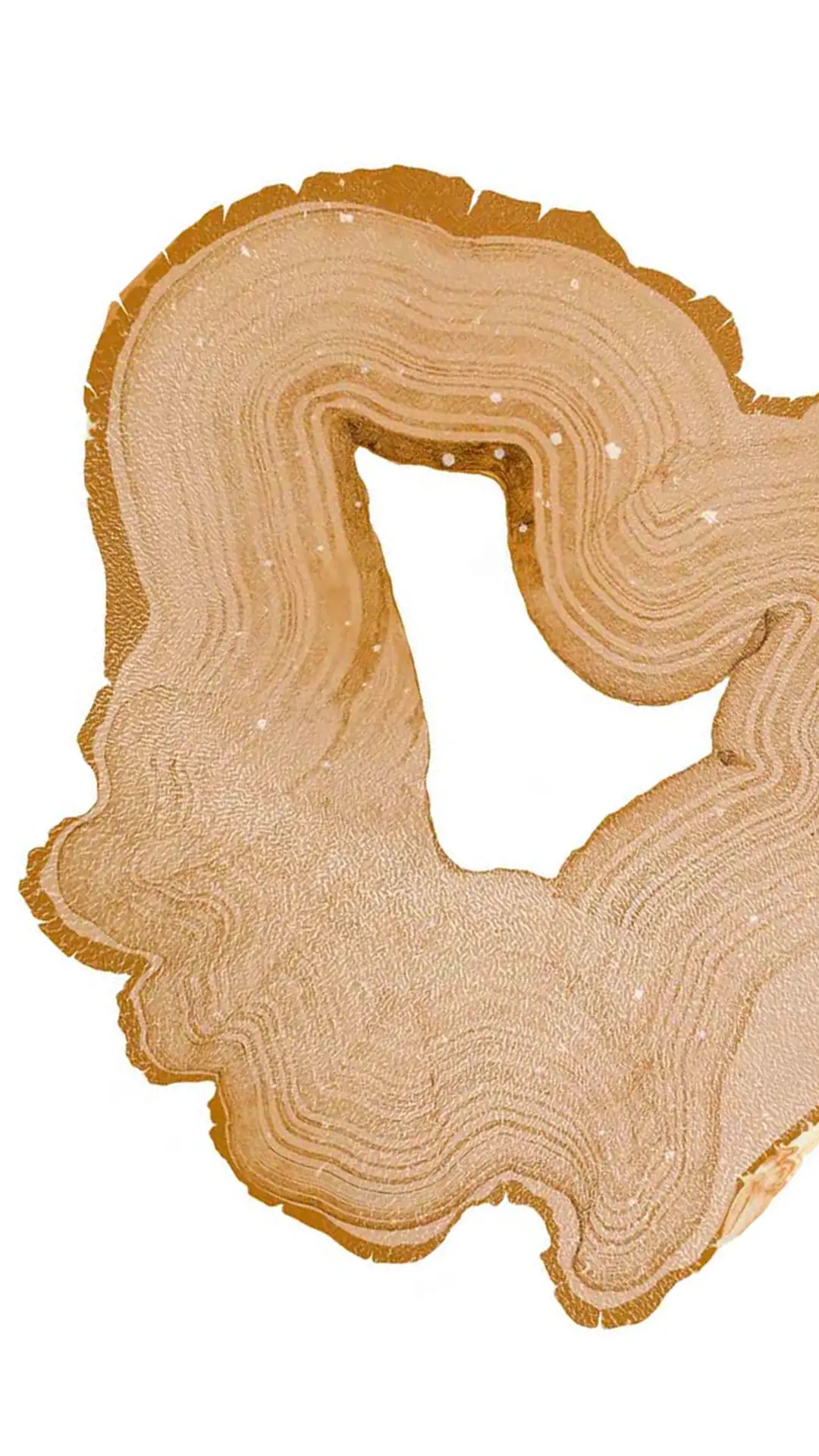
An opportunity to witness one of Kaja’s latest works.
Line becomes a trace of movement, a mark of decision, and a way of organising space.
In this exhibition, Kaja Kant explores line not only as a visual element, but as a structure of thought — something that divides, connects, guides, and transforms the image.
Linia staje się śladem ruchu, znakiem decyzji i sposobem organizowania przestrzeni.
W tej wystawie Kaja Kant bada linię nie tylko jako element wizualny, lecz także jako strukturę myślenia — coś, co dzieli, łączy, prowadzi i przekształca obraz.
Line is one of the fundamental elements of an image. It can appear as a boundary, a direction, a trace of movement, or a record of gesture. It may organise space, guide the viewer’s gaze, divide the surface, or bring separate elements into relation.
This exhibition focuses on line as both a visual and structural tool. In the presented works, line marks divisions, builds forms, and creates rhythm. At the same time, it connects fragments into coherent compositions, balancing order with movement and precision with intuition.
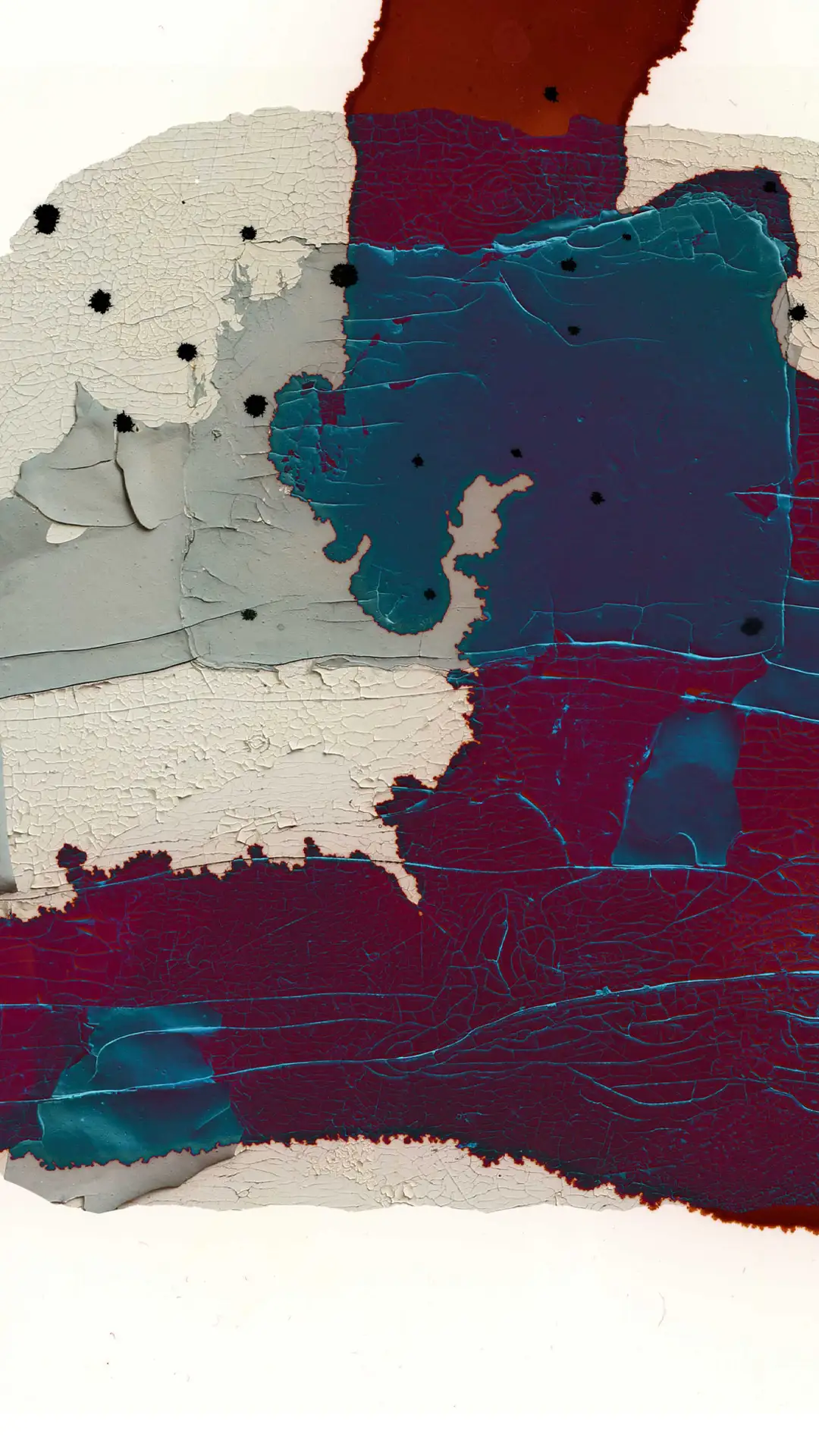
Kaja Kant’s works refer to geometry, volume, and graphic notation. In some pieces, the line appears as a disciplined construction; in others, it becomes more organic, carrying the trace of process, decision, and time.
The exhibition invites viewers to look at line not only as an element of drawing or composition, but as a way of thinking about relationships: between form and space, division and wholeness, control and freedom, structure and gesture.
All works presented in the exhibition were created by the artist through her own original process; no generative AI was used in their creation.
Linia jest jednym z podstawowych elementów obrazu. Może pojawiać się jako granica, kierunek, ślad ruchu lub zapis gestu. Może organizować przestrzeń, prowadzić spojrzenie widza, dzielić powierzchnię albo łączyć oddzielne elementy w relację.
Wystawa skupia się na linii jako narzędziu wizualnym i strukturalnym. W prezentowanych pracach linia wyznacza podziały, buduje formy i tworzy rytm. Jednocześnie łączy fragmenty w spójne kompozycje, balansując między porządkiem a ruchem, precyzją a intuicją.
Prace Kaji Kant odnoszą się do geometrii, bryły i zapisu graficznego. W jednych realizacjach linia pojawia się jako zdyscyplinowana konstrukcja; w innych staje się bardziej organiczna, niosąc ślad procesu, decyzji i czasu.
Wystawa zaprasza do spojrzenia na linię nie tylko jako element rysunku czy kompozycji, ale jako sposób myślenia o relacjach: między formą a przestrzenią, podziałem a całością, kontrolą a swobodą, strukturą a gestem.
Wszystkie prace prezentowane na wystawie zostały stworzone przez artystkę w autorskim procesie; do ich powstania nie wykorzystano generatywnej sztucznej inteligencji.
For Kaja Kant, line is not only a contour or a formal device. It is a trace of presence — a sign of movement, attention, and decision. It carries direction, rhythm, and tension. It can separate one space from another, but it can also create continuity between forms, surfaces, and ideas.
The exhibition grows from an interest in line as something alive within the image. A line may be precise, almost architectural, or intuitive and irregular. It may suggest a boundary, a path, a cut, a connection, or a memory of gesture. In this sense, line becomes both material and thought: a visible mark and a way of constructing meaning.
The works presented in the exhibition move between discipline and spontaneity, geometry and organic form. They ask how much can be carried by a single mark, and how a composition can emerge from relations between lines, planes, fragments, and space.
As Wassily Kandinsky wrote in Point and Line to Plane, line is born from the movement of a point. In Kant’s work, this movement becomes a language of structure, balance, and transformation.
Dla Kaji Kant linia nie jest wyłącznie konturem ani formalnym środkiem wyrazu. Jest śladem obecności — znakiem ruchu, uważności i decyzji. Niesie kierunek, rytm i napięcie. Może oddzielać jedną przestrzeń od drugiej, ale może też tworzyć ciągłość między formami, powierzchniami i ideami.
Wystawa wyrasta z zainteresowania linią jako czymś żywym w obrębie obrazu. Linia może być precyzyjna, niemal architektoniczna, albo intuicyjna i nieregularna. Może sugerować granicę, drogę, cięcie, połączenie lub pamięć gestu. W tym sensie staje się jednocześnie materią i myślą: widzialnym śladem oraz sposobem budowania znaczenia.
Prezentowane prace poruszają się między dyscypliną a spontanicznością, geometrią a formą organiczną. Stawiają pytanie o to, jak wiele może zawierać pojedynczy znak i jak kompozycja może wyłaniać się z relacji między liniami, płaszczyznami, fragmentami i przestrzenią.
Jak pisał Wassily Kandinsky w książce Punkt i linia a płaszczyzna, linia rodzi się z ruchu punktu. W pracach Kaji Kant ten ruch staje się językiem struktury, równowagi i przemiany.
Kaja Kant works across mixed media, collage, drawing, and image-based composition. Her practice explores the relationship between structure and intuition, body and space, memory and form. Through layered surfaces, fragments, lines, and visual rhythms, she creates works that move between the personal and the architectural, the organic and the constructed.
Her work often begins with the act of arranging: cutting, placing, connecting, interrupting, and rebuilding. The image becomes a space where different elements meet — sometimes in tension, sometimes in balance. What appears fragmented may gradually form a new order; what seems controlled may reveal traces of gesture, chance, and transformation.
Kaja is interested in the way visual language can hold emotional, spatial, and bodily experience without describing it directly. Her compositions invite slow looking. They ask the viewer to follow relationships between shapes, lines, textures, and empty spaces, and to notice how meaning can emerge through rhythm, interruption, and connection.
Kaja Kant pracuje w obszarze mixed media, kolażu, rysunku i kompozycji obrazowej. Jej twórczość bada relacje między strukturą a intuicją, ciałem a przestrzenią, pamięcią a formą. Poprzez warstwowe powierzchnie, fragmenty, linie i wizualne rytmy artystka tworzy prace poruszające się między tym, co osobiste i architektoniczne, organiczne i skonstruowane.
Jej proces często rozpoczyna się od gestu układania: cięcia, przesuwania, łączenia, przerywania i ponownego budowania. Obraz staje się przestrzenią spotkania różnych elementów — czasem pozostających w napięciu, czasem odnajdujących równowagę. To, co fragmentaryczne, może stopniowo tworzyć nowy porządek; to, co wydaje się kontrolowane, może ujawniać ślady gestu, przypadku i przemiany.
Kaja interesuje się tym, w jaki sposób język wizualny może nieść doświadczenie emocjonalne, przestrzenne i cielesne, nie opisując go wprost. Jej kompozycje zapraszają do uważnego patrzenia. Zachęcają, by śledzić relacje między kształtami, liniami, fakturami i pustymi przestrzeniami oraz dostrzegać, jak znaczenie może wyłaniać się poprzez rytm, przerwanie i połączenie.
...